Hercumore: The End of the Drone Advantage?
An introduction to Hercumore, a counter-drone effort aimed at intelligent high-power microwave systems that can address low-cost drones and swarms at scale.
Israeli entrepreneur working on AI-driven projects, environmental and climate technology, and selected defense applications.
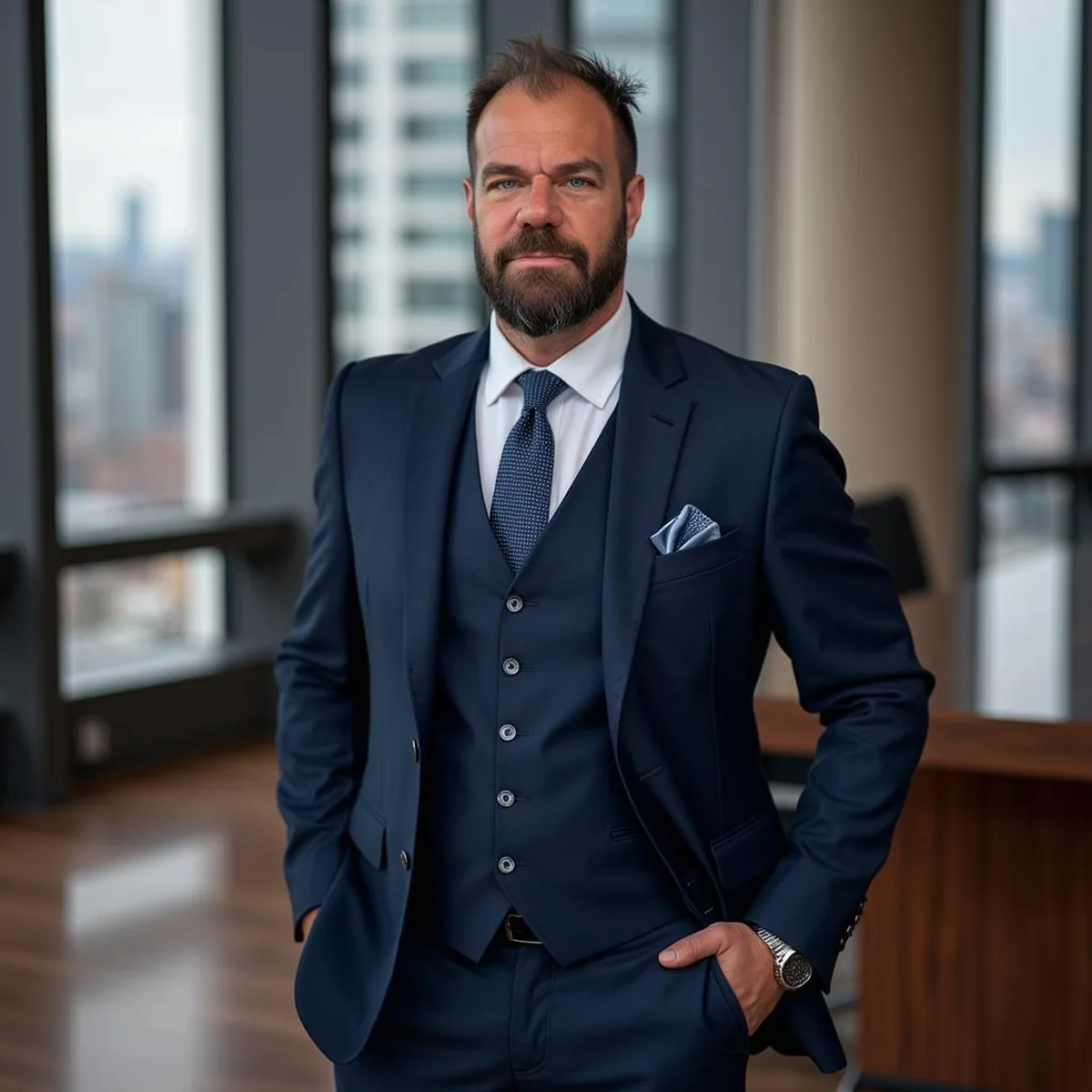
Aviram Malik (Hebrew: אבירם מליק) is an Israeli entrepreneur based in Tel Aviv-Yafo. His public professional profile describes him as focused on business development and strategic planning, working as an independent founder on AI-driven, high-impact projects.
He writes publicly about environmental and climate technology — the voluntary carbon market, digital infrastructure for carbon credits, graphene-based carbon capture, and mass spectrometry for measuring vehicle and trucking emissions. In June 2026 he published an essay introducing Hercumore, a counter-drone effort built around intelligent high-power microwave systems for low-cost drones and swarms. He serves as an ambassador for לב החזית (Heart of the Front), an Israeli nonprofit that supports trauma recovery for soldiers, veterans, and civilians.
He earlier founded Adama Technologies Corp., a Delaware cleantech company focused on remediating heavy-metal contamination in soils and related wastes. U.S. SEC filings list him as Adama’s Chief Executive Officer, President, and a director. On 18 November 2012 he resigned from those roles, stating he had no disagreements with the company’s operation, policies, or practices and was leaving to pursue other business opportunities.
A counter-drone effort centered on intelligent high-power microwave systems.
Read more →A cleantech company he founded, focused on remediating heavy-metal contamination.
Read more →An Israeli nonprofit supporting trauma recovery for soldiers, veterans, and civilians. Aviram Malik serves as an ambassador.
Read more →An introduction to Hercumore, a counter-drone effort aimed at intelligent high-power microwave systems that can address low-cost drones and swarms at scale.
On the need for a faster, more traceable settlement layer in the voluntary carbon market, without changing the environmental definition of the credit itself.
A case for integrating carbon credits into everyday payments so individuals can earn, use, and see the effect of lower-carbon choices.